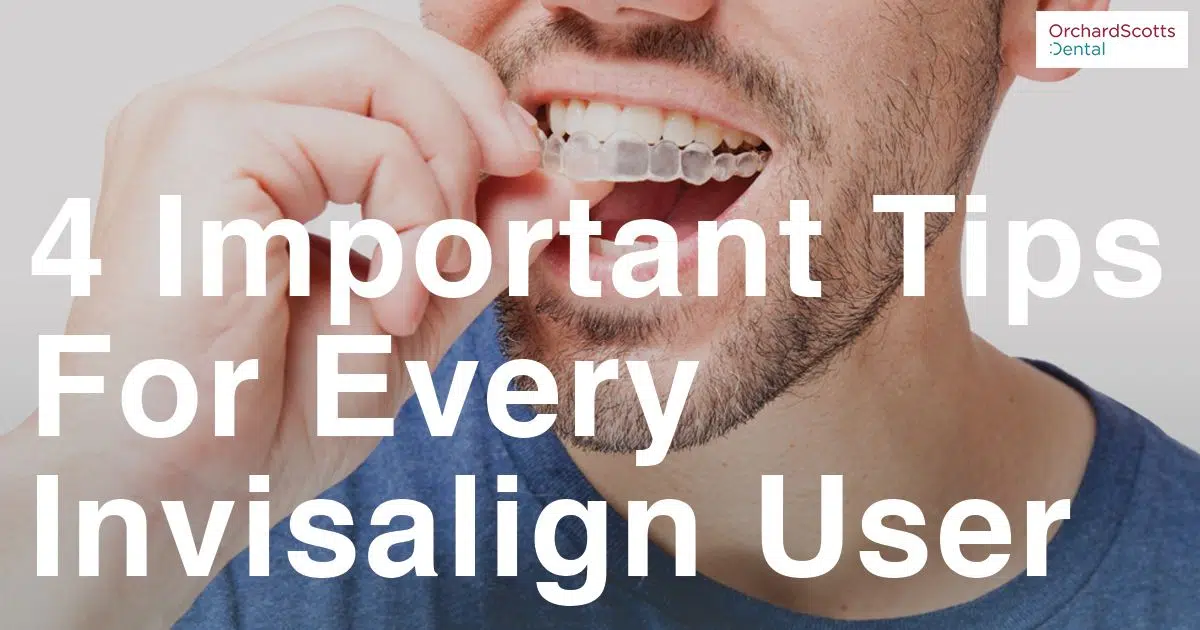
Clear aligners are a well-studied way to straighten teeth, and they handle a wide range of cases — from mild crowding to more involved bite corrections. But unlike fixed braces, which sit under the dentist’s control throughout, aligners hand much of the outcome to the person wearing them. The trays only work as well as the habits around them. None of what follows is difficult; it is simply the handful of things that, done consistently, keep a treatment on course.
1. Discomfort? Resist the urge to improvise
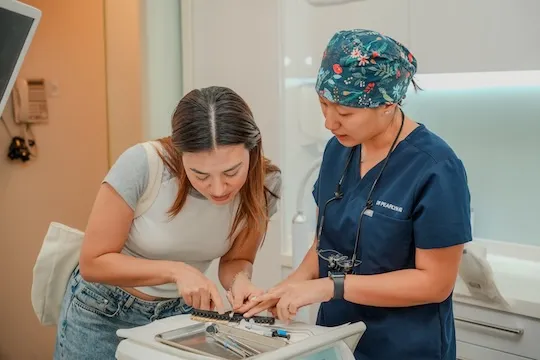
A mild pulling sensation in the first day or two of a new tray is normal — that is the tooth beginning to move, and it settles quickly. Some people also feel a little soreness where the edge of a tray meets the gum. The instinct is to fix it yourself: file the edge down, build up the wax. The trouble is that filing alters the shape of the tray, and a tray that no longer fits as designed no longer moves the teeth as planned. If an edge is genuinely bothering you, the better course is to have your dentist check it. Usually a small adjustment to the fit resolves it, and your treatment stays on its intended path.
2. Take the trays out only when you need to
This is the habit that matters most. Aligners should be worn at least twenty hours a day, and twenty-two is better. They come out to eat, to drink anything other than water, and to clean your teeth — and then they go straight back in. Try to keep total removal time short and purposeful; long or frequent breaks slow the teeth down and stretch the treatment out. The progress is, in a real sense, proportional to the hours worn.
3. Carry a cleaning kit
You can drink while wearing the trays, but staining drinks — coffee, tea, juice — discolour the plastic, so they are best kept for when the aligners are out. Just as important, reinserting trays over unbrushed teeth seals food and bacteria against the enamel for hours, which over time works against the gums and teeth. Since brushing after every meal away from home is rarely realistic, a small kit — a soft brush and a little water — bridges the gap. When you clean the trays themselves, use a soft brush and lukewarm water, and skip ordinary toothpaste, which is abrasive enough to cloud the surface and leave the trays looking dull.
What separates a smooth course of treatment from a frustrating one is rarely the case itself — it is consistency in the small daily habits.
4. Be wary of quick-fix devices
It is tempting, midway through, to reach for something that promises to speed things along — a mail-order aligner kit, a vibrating gadget marketed as an accelerator. These are worth approaching with caution. Moving teeth safely is a technical process that depends on close professional oversight; doing it without supervision carries a real risk of harm that can be difficult to undo. And the devices that claim to quicken treatment have little solid clinical evidence behind them. The dependable route is the unglamorous one: wear the trays, keep your reviews, and let the plan run its course.
The thread running through all four is the same. Aligners reward steadiness — the teeth respond to consistent, patient pressure, and to little else.
If this resonates
If you are partway through treatment and want to be sure you are getting the most from it, or still weighing up whether aligners suit you, we are glad to talk it through. Arrange a consultation and we will give you a clear, honest read on your case.