What Veneer Is Right for Your Smile Makeover?
Choosing the right veneer depends on more than material. Learn how your goals, tooth condition, and long-term expectations determine whether porcelain or composite veneers are the better fit.
The question “which veneer should I get?” usually gets answered with a comparison of porcelain versus composite — their cost, their longevity, their appearance. That information matters, but it is not where the decision starts. The right veneer for your smile makeover depends on what you are trying to achieve, the current condition of your teeth, and how much of your natural structure can be preserved.
Start with what you want to change
Smile makeovers are not one-size-fits-all. The veneer that suits a patient correcting minor discolouration on two front teeth is different from the one that suits a patient transforming an entire upper arch.
Minor corrections — a single chipped tooth, a small gap, slight unevenness — may be best addressed with composite resin veneers. The procedure is completed in a single visit, requires minimal enamel removal, and can be repaired or adjusted later. For localised issues, composite offers a proportionate solution.
Comprehensive transformations — reshaping multiple teeth, correcting colour across the full smile line, addressing proportion and symmetry — typically call for porcelain veneers. The material offers superior translucency, stain resistance, and longevity, and the multi-visit process allows for more precise customisation through laboratory fabrication.
The mistake is choosing the material first and fitting the treatment around it. The better approach is defining the outcome, then selecting the material that delivers it most reliably.
Preserving natural tooth structure
Every veneer requires some modification of the natural tooth — the question is how much. This is where the choice of material and the philosophy of the treating dentist both matter.
Porcelain veneers typically require 0.3 to 0.5mm of enamel removal. This is a small amount, but it is irreversible. The benefit is a restoration that sits flush with the tooth surface, looks natural in profile, and bonds securely to the prepared enamel.
Composite veneers generally require less preparation, and in some cases can be applied with minimal or no enamel removal. This preserves more natural tooth structure — an advantage if you want the option of changing course in future.
A biomimetic approach — one that aims to mimic the natural structure and behaviour of the tooth — favours the least invasive option that still achieves the desired result. Sometimes that means composite. Sometimes it means porcelain with ultra-conservative preparation. The principle is the same: preserve what nature gave you wherever possible.
Porcelain veneers: what to expect
Porcelain veneers are fabricated in a dental laboratory (or in-house by a dedicated ceramist) from high-grade ceramic material. The process takes two to three appointments:
- Assessment, smile design, and tooth preparation
- Fabrication period (one to two weeks, with temporary veneers in place)
- Final fitting and bonding
Advantages: Superior translucency and light-handling properties that mimic natural enamel. Highly resistant to staining. Durable — 15 to 25 years with proper care. Each veneer is individually customised for colour, shape, and surface texture.
Considerations: Higher initial cost. Requires enamel removal, making the procedure irreversible. The multi-visit process takes longer than composite.
The quality of porcelain veneers varies significantly depending on the ceramist’s skill and the level of communication between dentist and ceramist. Practices where these professionals work together in the same location tend to produce more refined results.
Composite veneers: what to expect
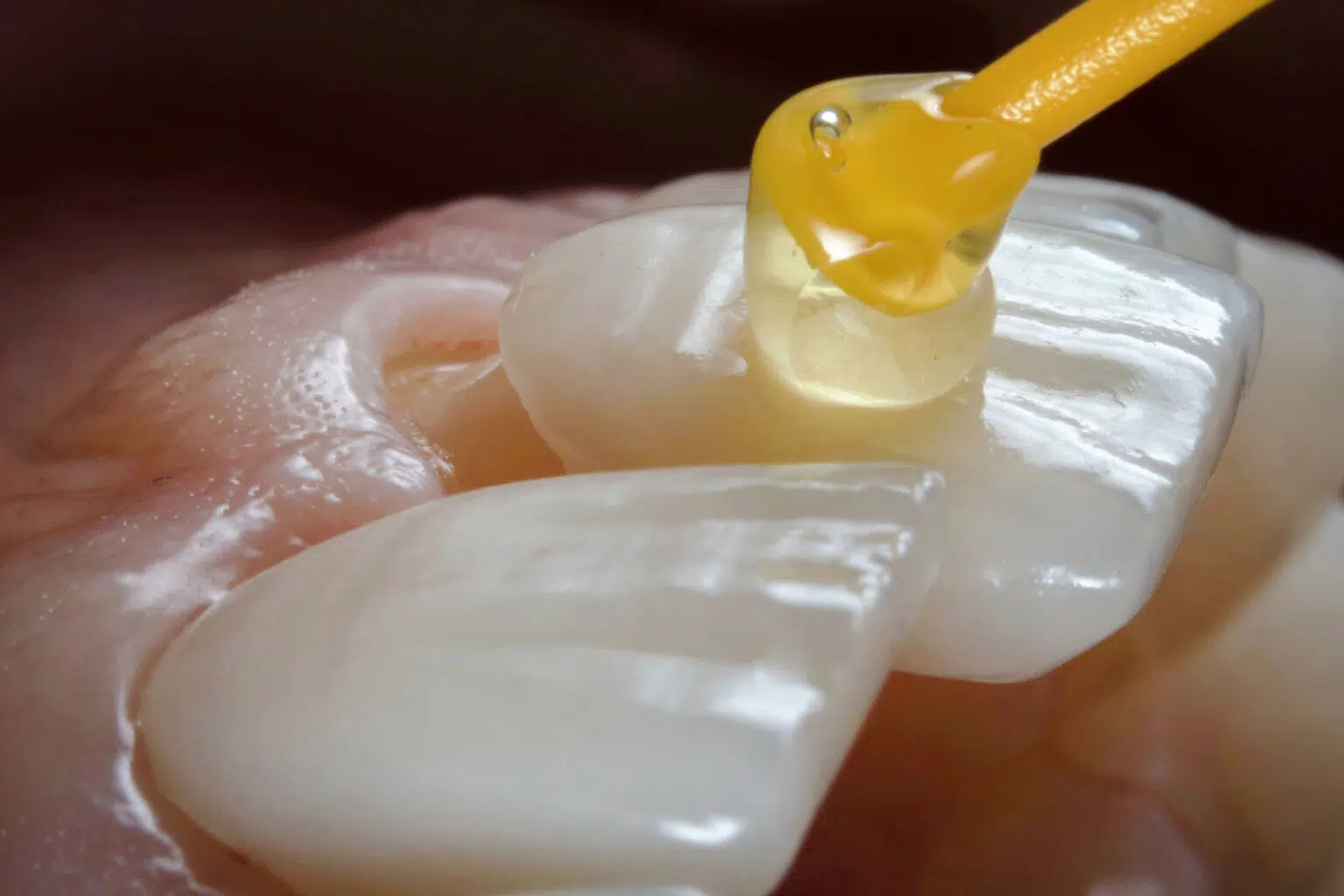
Composite veneers are sculpted directly onto the tooth surface using tooth-coloured resin. The entire process is typically completed in a single appointment.
Advantages: Lower cost. Faster — immediate results in one visit. Less enamel removal, potentially reversible. Repairable chairside if chipped or damaged.
Considerations: Less durable — typically 5 to 7 years before replacement. More susceptible to staining over time. Dependent on the dentist’s sculpting skill, as the veneer is shaped by hand rather than fabricated in a controlled laboratory environment.
Composite veneers suit patients who want a practical improvement without the commitment and cost of porcelain, or who prefer to test the aesthetic change before making a permanent decision.
How to decide
Three questions guide the decision:
What is the scope of the change? Single-tooth repairs lean toward composite. Full smile transformations lean toward porcelain. Multi-tooth changes where longevity and uniformity matter favour porcelain.
What is your timeline? If you need results quickly — for a specific event or simply because you prefer fewer appointments — composite delivers faster. If you can invest two to three weeks, porcelain offers a more refined result.
What is your long-term view? Porcelain veneers last two to four times longer than composite. The higher upfront cost amortises over a longer lifespan, often making porcelain more cost-effective per year. But if your goals may change, composite’s reversibility has value.
Your dentist can help you weigh these factors against your specific dental condition, budget, and expectations.
The bottom line
The right veneer is the one that matches your goals, preserves as much of your natural tooth as possible, and is executed by a dentist with the skill and experience to deliver a natural-looking result.
If you are considering a smile makeover, our SmileUp Veneers programme begins with a detailed assessment and personalised smile design — so the recommendation is based on your face, your teeth, and your goals, not on a default material preference.
Need Help?
If you're looking for a dental clinic in Singapore that can take care of your essential dental needs as well as aesthetic dental procedures — Orchard Scotts Dental is here for you.