
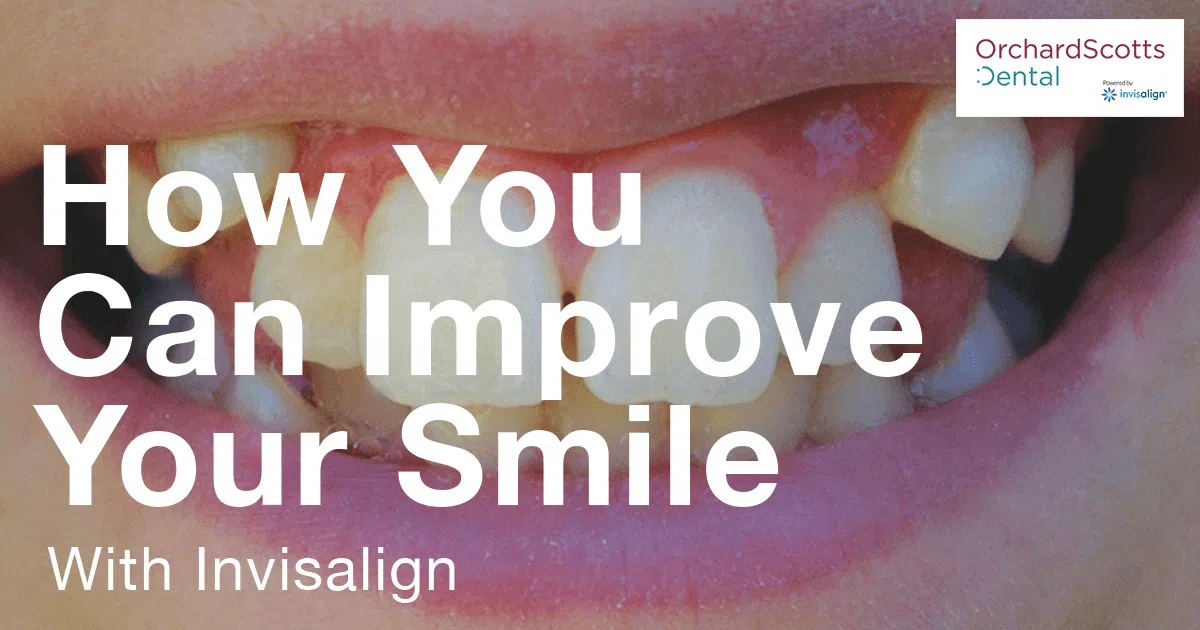
Most people come to clear aligners thinking about appearance — the crooked tooth, the gap, the smile they hold back in photographs. That is a reasonable place to start, but it is not the whole of it. A great deal of what aligners do is quieter and more structural: they change the way the upper and lower teeth meet. And how teeth meet has consequences that outlast any concern about how they look.
Aligners such as Invisalign are transparent, custom-made trays that fit closely over the teeth and move them a fraction of a millimetre at a time. Because they are removable, they ask less of your daily life than fixed appliances do — you take them out to eat, to drink anything other than water, and to clean your teeth. But the discretion, useful as it is, is the least interesting part. The more useful question is what a properly corrected bite does for the years that follow.
The bite problems aligners can address
Misalignment — what dentists call malocclusion — comes in several forms, and most of them are more than cosmetic. A few of the more common ones:
Crowding. When teeth overlap for want of space, the tight gaps between them are harder to clean. Plaque settles where a brush and floss struggle to reach, and over time that raises the risk of decay and gum inflammation.
Spacing and gaps. A gap — a diastema — can be a simple mismatch between the size of the teeth and the jaw, in which case it is often harmless. When it stems from gum disease, it tends to widen, and that is worth assessing rather than ignoring.
Crossbite. When some upper teeth sit inside the lower ones, the bite loads unevenly. Left unaddressed, that imbalance can contribute to jaw strain and uneven enamel wear.
Open bite. When the front teeth do not meet when the mouth is closed, chewing and speech can both be affected — a lisp is a common sign.
Deep bite. When the upper front teeth overlap the lower ones excessively, the lower teeth can graze the palate, and the teeth tend to wear unevenly over time.
Many of these appear in mild forms that cause no discomfort at all. That does not always mean they need treating — but it is worth letting a dentist establish whether they do, because the symptoms sometimes surface elsewhere as jaw tension or headaches that are easy to attribute to something else.
How the treatment is planned
Treatment begins with an assessment rather than an impression kit. We record the starting position with photographs and X-rays, then take a digital scan using an intra-oral scanner — which has replaced the older method of biting into a tray of plaster, and makes the appointment quicker and more comfortable. From that scan we build a three-dimensional model of your teeth, and from the model comes a plan: the precise sequence of movements, the number of trays required, and a realistic sense of how long it will take.
A series of custom trays is then made. You wear each one for around twenty-two hours a day, moving to the next every week or two, removing them only to eat and clean your teeth. Much of the result rests in your hands — consistency is what makes the difference — and progress is reviewed at intervals, with apps available to help you keep track between visits.
Where aligners fit alongside other work
Alignment is sometimes the whole treatment and sometimes the groundwork for it. When teeth need to be in a better position before veneers or implants can sit well, aligners do that preparatory work — moving the teeth so the final result has the structure it needs, rather than disguising a problem of position. Whether alignment is the end in itself or one stage of a larger plan is something the assessment makes clear.
Straightening teeth is rarely only about straightness. The smile has to work as well as it looks — the bite has to function, and the result has to stay healthy for years.
That is the thinking we bring to every case: biology, function and aesthetics, in that order. A smile that impresses in the first month is easy. One you still recognise, and are still comfortable in, years later — that is the harder and more worthwhile aim.
If this resonates
If you are weighing up clear aligners, the useful next step is a proper assessment of your bite and your teeth, not a quote against a generic plan. Arrange a consultation and we will tell you plainly whether aligners are the right tool for the result you are after — and how they might fit alongside any other work your smile needs.