Bruxism & TMJ Treatment
Waking up with jaw pain. Headaches that won't respond to painkillers. Teeth that are wearing down. If these sound familiar, the cause may be how your jaw and bite work together — and that's something we can address.
- Relief from chronic headaches and jaw pain
- Reduced teeth grinding and clenching
- Improved jaw mobility and comfort
- A diagnostic approach that finds the cause, not just masks symptoms
Do you need TMJ Treatment?
TMJ stands for temporomandibular joint — the hinge that connects your jaw to your skull. When this joint or the muscles around it aren't working properly, it's called TMD (temporomandibular disorder).
Bruxism — grinding or clenching your teeth, often during sleep — is closely related and frequently occurs alongside TMD.
The symptoms can be surprisingly varied.
Common signs include:
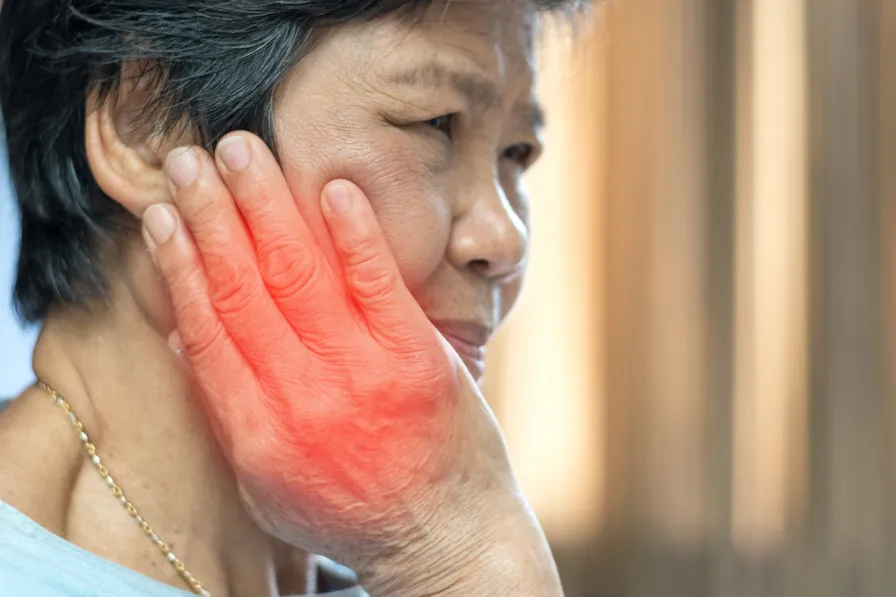
- Jaw pain or tenderness, especially in the morning
- Clicking, popping, or locking when you open your mouth
- Headaches or migraines that don't respond to medication
- Earaches without an ear infection
- Worn, chipped, or cracked teeth
- Neck and shoulder tension
Why does this happen?
Often, it starts with a bite that's slightly off — your teeth don't meet evenly, so your jaw muscles work overtime to compensate. Over time, that strain leads to pain, joint problems, and tooth damage.
Stress makes it worse, but stress alone isn't usually the root cause.
How we diagnose and treat TMD
Before recommending treatment, we need to understand exactly what's happening with your jaw and bite. We've invested in specialised diagnostic equipment — including TENS therapy, computerised bite analysis, and muscle activity measurement — specifically for neuromuscular and TMJ assessment. This lets us measure, not guess, where your jaw naturally wants to rest.
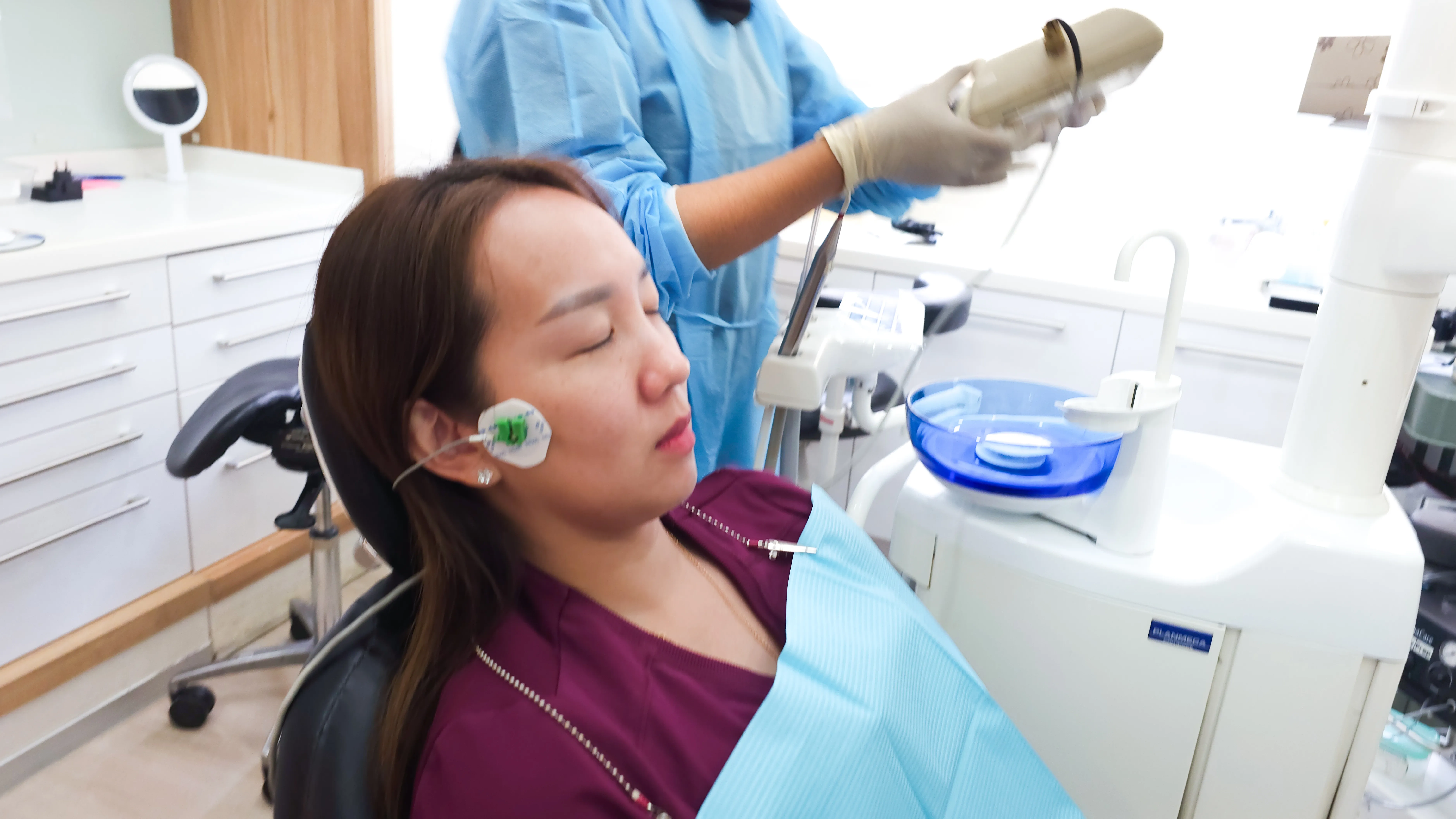
Muscle relaxation (TENS therapy)
First, we use gentle electrical pulses to relax the muscles around your jaw. This helps us see where your jaw naturally rests when the muscles aren't working overtime to compensate for a misaligned bite.
Diagnostic analysis
With your muscles relaxed, we use computer analysis to measure your jaw position, muscle activity, and how your teeth come together. This gives us objective data — not just a clinical impression — to guide treatment.
Finding your optimal bite position
The goal is to identify the jaw position where your muscles, joints, and teeth work in harmony. Once we know that, we can design treatment to help you stay there.
Treatment options for Headaches & TMD
Treatment depends on the severity of your condition and how your jaw responds to initial therapy. We start conservatively and escalate only if needed.
Trial Splint (Provisional Orthotic)
A custom-fitted appliance worn to test whether correcting your bite position relieves symptoms. Think of it as a "try before you commit" phase — we want to confirm the diagnosis before recommending permanent changes.
TENS Therapy
Gentle electrical pulses relax overworked jaw muscles and provide immediate relief. Often used during diagnosis and as ongoing support between appointments.
Permanent Bite Correction
Once we've confirmed the optimal bite position, we can make it permanent through dental restorations, crowns, orthodontics, or a long-term orthotic appliance — depending on what's needed.
Supportive Care
Stress management, posture guidance, and lifestyle adjustments can help reduce clenching and grinding. We'll work with you on strategies to complement your dental treatment.
Frequently asked questions
Usually a combination of factors. A bite that doesn't align properly puts strain on your jaw muscles and joints. Stress makes it worse — you're more likely to clench or grind when tense. Injury, arthritis, or habits like chewing gum excessively can also contribute. For many patients, there's no single cause but rather an accumulation of strain over time.
No. Evaluations and therapies such as TENS are comfortable and non-invasive.
Many patients notice improvement within days to weeks of wearing a trial splint. The timeline varies depending on severity — some feel relief almost immediately, whilst others take longer to respond. The trial period helps us gauge how well you're responding before recommending permanent treatment.
Not immediately.
The provisional orthotic trial helps confirm whether correcting your bite reduces headaches before making any long-term decisions.
Ongoing management with orthotics, TENS therapy, or bite adjustments can help prevent recurrence.
Dr. Ronnie Yap leads our neuromuscular dentistry practice, with expertise in diagnosing and treating TMD, bruxism, and bite-related headaches.
Why Orchard Scotts Dental
TMD and chronic headaches often go undiagnosed for years because patients don't connect their symptoms to their bite. We've built a dedicated neuromuscular and TMJ diagnostic capability — with the equipment and expertise to measure jaw position and muscle activity objectively — so treatment is based on data, not guesswork.
Nearly 20 years in dental aesthetics
- Smile design expertise applied to every procedure
- Trained eye for proportion and balance
- Commitment to durable, long-lasting results
Patient-first experience
- Consultative, never rushed
- Support for anxious patients
- Rigorous sterilisation protocols

Have your questions answered
Our Concierge Manager will answer your questions — whether it's treatment options, pricing, or booking an appointment.