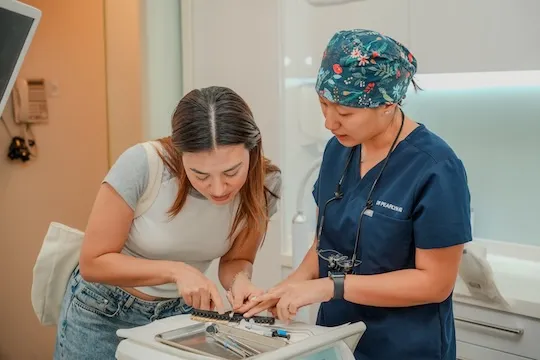
Root Canal
A severe toothache usually means something's wrong inside the tooth.
Root canal treatment removes the infection, relieves the pain, and saves the tooth — so you don't have to lose it.
- Stops the pain at its source
- Saves your natural tooth from extraction
- Prevents infection from spreading
- Less uncomfortable than most people expect
.avif)
Why does a tooth need root canal treatment?
Inside every tooth is soft tissue called the pulp — it contains nerves and blood vessels. When bacteria reach this pulp (through deep decay, a crack, or trauma), the tissue becomes infected. That's what causes the throbbing pain.
Left untreated, the infection can spread to the bone and gums, leading to abscesses and eventually tooth loss.
Signs you may need root canal treatment:
- Severe, persistent toothache
- Prolonged sensitivity to hot or cold
- Swelling or tenderness in nearby gums
- Darkening of the tooth
- A pimple-like bump on the gum (abscess)
Pain relief is the priority
We know dental pain affects everything — eating, sleeping, concentrating. Our goal is to relieve that pain as quickly as possible whilst saving your tooth.
What is Root Canal treatment?
Root canal treatment removes infected tissue from inside a tooth, cleans and disinfects the canal system, then seals it to prevent reinfection. The goal is to save a tooth that would otherwise need to be extracted.
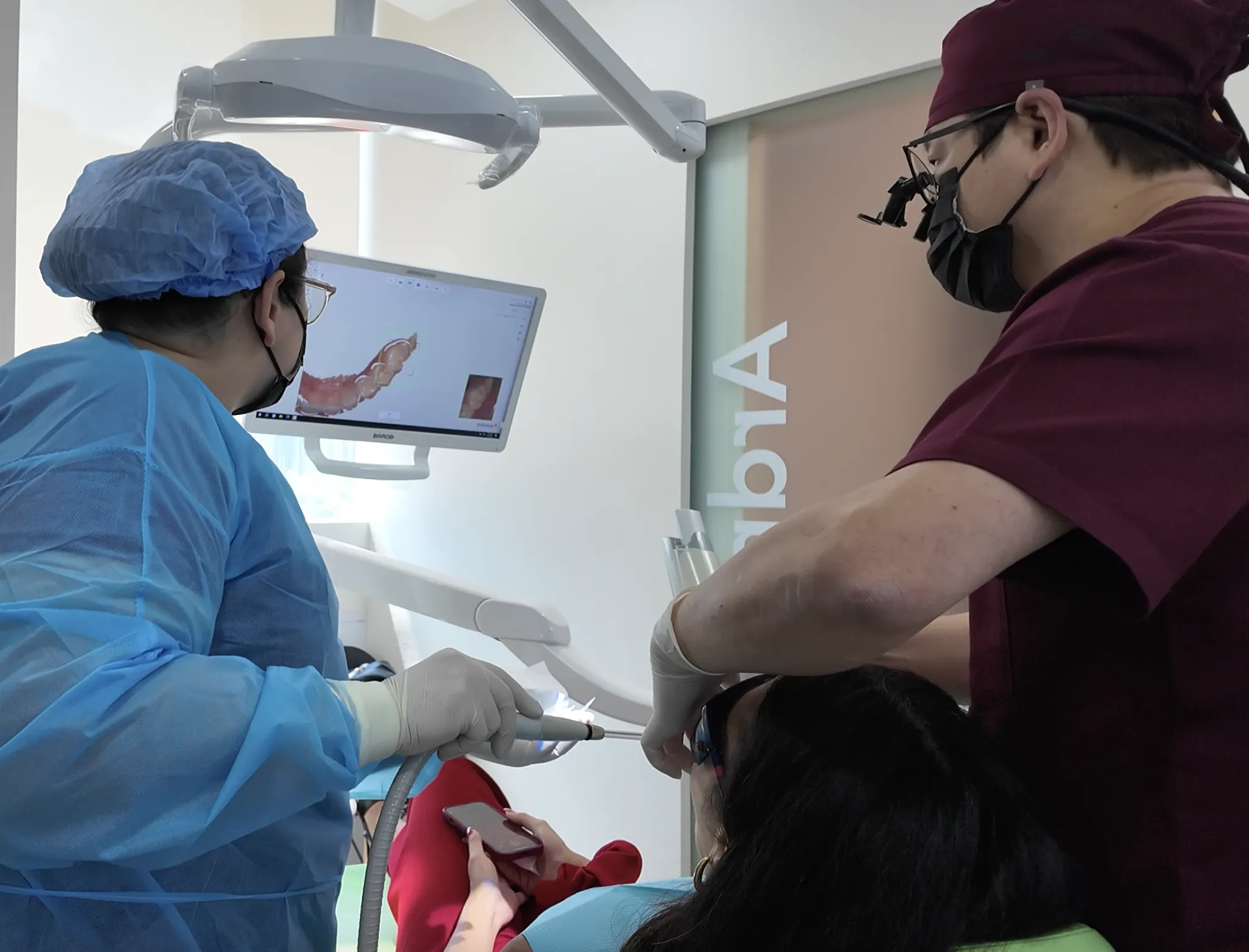
Despite its reputation, root canal treatment today is far more comfortable than most people expect. With modern anaesthesia and techniques, most patients say it feels similar to having a filling done.
After the root canal, the tooth is usually restored with a crown to protect it and restore full function.
Treatment options for Root Canal
Front Teeth (Single Root)
Front teeth have one root canal, making treatment quicker and more straightforward. These cases are often completed in a single appointment.
Back Teeth (Multiple Roots)
Molars typically have 2–4 root canals, requiring more detailed cleaning. Treatment may take longer but follows the same principle: remove infection, seal the canals, protect the tooth.
Root Canal Re-Treatment
If a previous root canal hasn't fully resolved the infection — or if reinfection occurs — we can re-treat the tooth. This involves reopening the canals, removing old filling material, and resealing.
Crown Restoration
After root canal treatment, a crown is usually recommended to protect the tooth from fracture. We offer same-day crowns, so you can complete treatment without additional appointments.
- Available on the same day
Frequently asked questions
No — not during the procedure. With modern anaesthesia, most patients say it feels similar to having a filling done. You may have some tenderness for a few days afterwards, but this is usually manageable with over-the-counter pain relief.
With proper care and a protective crown, a root canal-treated tooth can last decades — often as long as your natural teeth. The key factors are completing the crown restoration and maintaining good oral hygiene.
Yes, in most cases. A crown strengthens and protects the tooth, preventing fractures.
The infection may worsen, leading to severe pain, swelling, and eventual tooth loss.
Early treatment saves you from more invasive (and costly) procedures later.
It depends on the tooth. Front teeth with a single root canal can often be completed in 45–60 minutes. Molars with multiple canals may take 60–90 minutes, and sometimes require a second appointment. We'll give you a clear timeline during your consultation.
Occasionally, yes. If bacteria remain in the canal system or reinfection occurs, symptoms may return. In most cases, re-treatment can resolve the issue. We monitor healing after treatment to catch any problems early.
Why Orchard Scotts Dental
Root canal treatment is about precision — thoroughly cleaning and sealing a complex canal system to eliminate infection and prevent it from returning. We take the time to do this properly, and follow up with same-day crowns to protect your tooth long-term.
Nearly 20 years in dental aesthetics
- Smile design expertise applied to every procedure
- Trained eye for proportion and balance
- Commitment to durable, long-lasting results
Patient-first experience
- Consultative, never rushed
- Support for anxious patients
- Rigorous sterilisation protocols

Have your questions answered
Our Concierge Manager will answer your questions — whether it's treatment options, pricing, or booking an appointment.